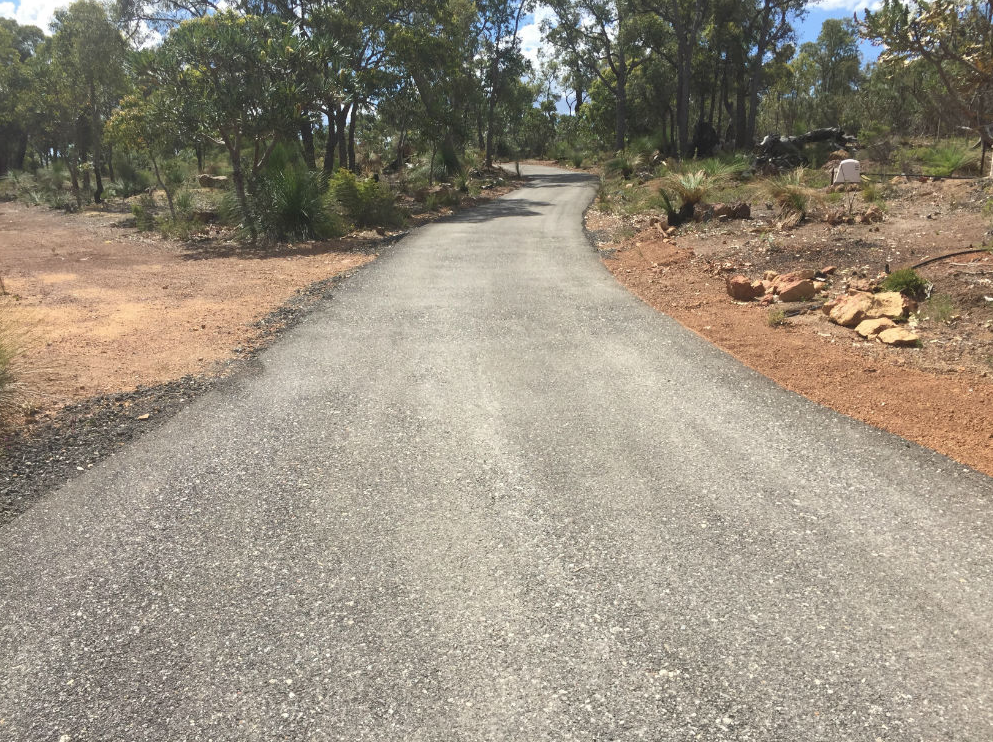
Cracks in asphalt are often seen as surface-level issues, but in most cases, they begin much deeper within the pavement structure. What appears as a small crack on the surface is usually a sign of underlying stress or weakness that has developed over time. Understanding where and why these cracks form is essential for maintaining durable and reliable surfaces.
For property owners and businesses in Casino, QLD, recognising that asphalt performance depends on what lies beneath the surface can help prevent recurring issues and support long-term results.
The Structure Beneath the Surface
An asphalt surface is part of a layered system, not just a single layer of material. Beneath the visible top layer lies a compacted base and, below that, the natural ground. Each of these layers plays a role in supporting vehicle loads and maintaining stability.
When the lower layers are strong and well-prepared, they distribute weight evenly and support the surface effectively. However, if there are weaknesses in the base or subgrade, stress can build up within the pavement structure.
These stresses often begin below the surface and eventually work their way upward, appearing as cracks in the asphalt.
Weak or Unstable Base Layers
One of the most common causes of cracking is a poorly prepared or unstable base. If the base layer is not properly compacted or contains weak areas, it may shift under the weight of vehicles.
This movement creates stress points within the pavement. As the asphalt layer tries to accommodate this movement, it begins to crack.
In areas like Casino, QLD, where ground conditions can vary, proper base preparation is critical for preventing these issues from developing.
Water Infiltration Below the Surface
Water is a major factor in the development of asphalt cracks. When moisture enters the pavement through small openings or weak areas, it can weaken the base layers and reduce their ability to support loads.
As the ground beneath the asphalt becomes unstable, the surface above it begins to flex and move. This repeated movement eventually leads to cracking.
Without effective drainage and proper sealing, water infiltration can continue to cause damage from below, even if the surface initially appears intact.
Repeated Traffic Stress
Every time a vehicle travels across an asphalt surface, it applies pressure to the pavement structure. Over time, this repeated loading can cause fatigue within the lower layers.
Heavy or concentrated traffic can accelerate this process, especially if the pavement is not designed to handle the load. The stress builds beneath the surface and eventually causes the asphalt to crack as it reaches its limit.
This is why cracks often appear in areas with frequent turning, braking, or heavy vehicle use.
Poor Compaction During Installation
Compaction is a critical step in asphalt construction. Both the base layers and the asphalt surface must be compacted to the correct density to ensure stability.
If compaction is insufficient, air pockets can remain within the structure, creating weak points. These areas are more susceptible to movement and stress under traffic.
Over time, these weaknesses lead to internal strain within the pavement, which eventually manifests as surface cracking.
Temperature and Ground Movement
Changes in temperature and natural ground movement can also contribute to cracking. Asphalt expands and contracts with temperature fluctuations, while the ground beneath it may shift slightly over time.
If the pavement structure is not designed to accommodate these changes, stress can build up within the layers. This stress often originates below the surface and gradually causes cracks to appear.
For surfaces in Casino, QLD, accounting for these environmental factors is an important part of long-term performance.
Why Surface Repairs Alone May Not Last
Because many cracks originate below the surface, simply repairing the visible damage may not resolve the underlying issue. Surface treatments can improve appearance temporarily, but if the base remains unstable, cracks are likely to reappear.
Effective solutions require addressing the root cause of the problem, whether it involves improving drainage, stabilising the base, or reconstructing affected areas.
Understanding the source of the issue helps ensure repairs provide lasting results.
The Importance of Professional Assessment
Identifying the cause of asphalt cracking requires experience and a thorough understanding of pavement structure. Professional surfacing specialists can assess both the surface and the underlying layers to determine the source of the problem.
This allows for targeted solutions that address the root cause rather than just the symptoms. Proper assessment helps ensure that repairs and new installations are built to withstand long-term use.
For properties in Casino, QLD, professional expertise is key to maintaining durable asphalt surfaces.
Conclusion
Asphalt cracks often begin below the surface, caused by issues such as unstable base layers, water infiltration, repeated traffic stress, and insufficient compaction. While cracks may appear on the surface, their origin typically lies within the structure beneath.
For property owners and businesses in Casino, QLD, understanding these underlying causes is essential for preventing recurring problems and maintaining reliable surfaces. Casino Surfacing Solutions provides professional asphalt and bitumen services designed to address both surface and structural concerns. If you are experiencing cracking or planning a new surface, our team can offer expert guidance and solutions tailored to achieve long-lasting performance.
Call us on: 07 3113 9392
Click here to find out more about Casino Surfacing Solutions
Click here to complete our contact form and see how we can help with your driveway needs.