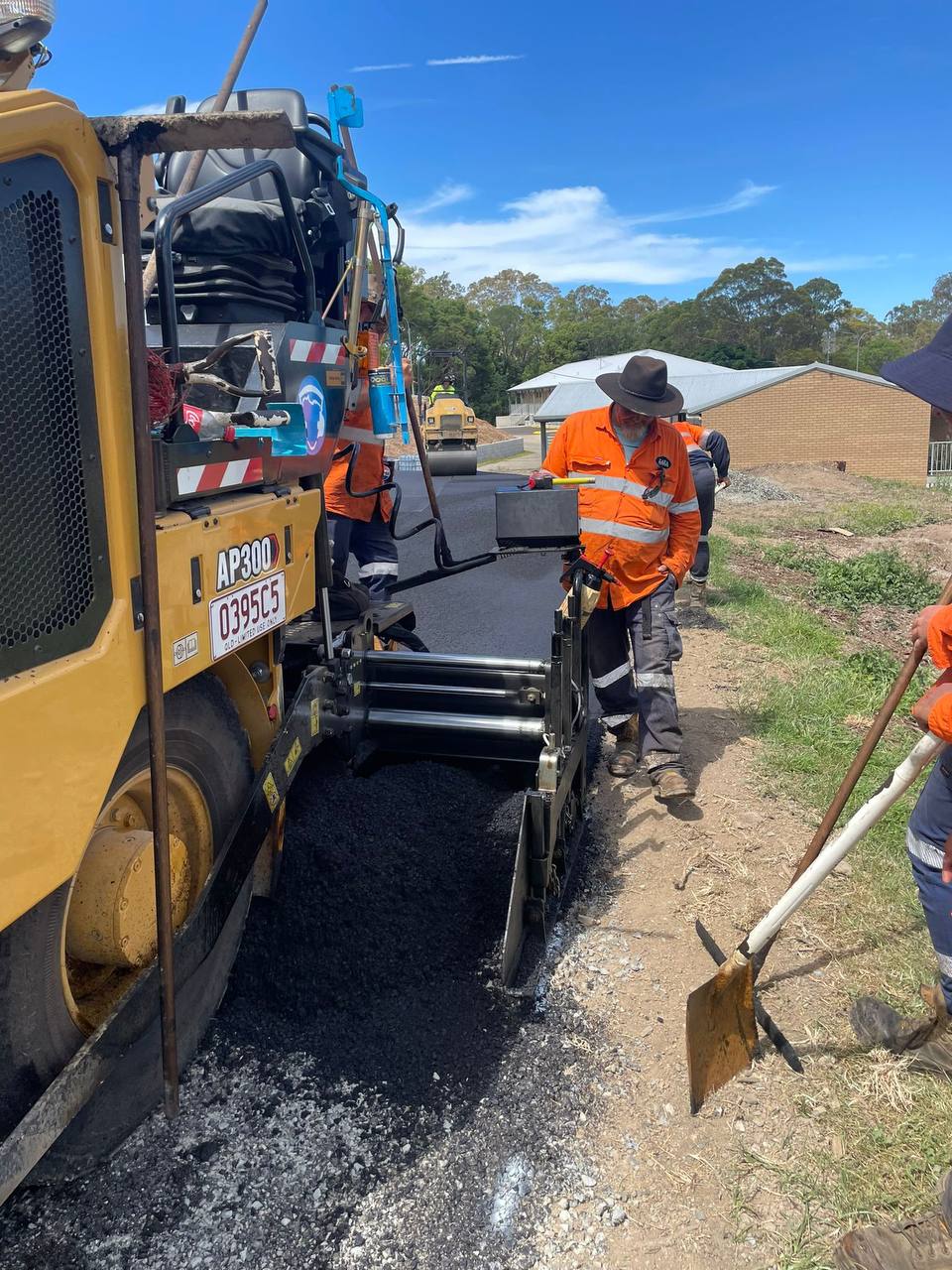
Asphalt is widely used for driveways, access roads, car parks, hardstands and other trafficable areas because it provides a durable and dependable surface. However, asphalt does not remain unchanged indefinitely. Traffic, water, weather exposure and normal ageing can gradually affect the pavement, and early defects can develop into more substantial problems if they are ignored.
For property owners and businesses in Casino, QLD, recognising the warning signs of asphalt deterioration is an important part of protecting the existing pavement. Professional repairs carried out at the appropriate stage can help contain damage, preserve structurally sound areas and maintain a safer, smoother surface.
Here are seven signs that your asphalt surface may need professional attention.
1. Cracks Are Beginning to Spread
A few small cracks can appear relatively harmless, but cracking is one of the clearest indications that an asphalt pavement should be inspected.
Cracks can develop for several reasons, including pavement ageing, traffic loading, movement within the supporting layers and deterioration around existing weak points.
The main concern is that cracks create openings through the asphalt surface. Water can penetrate these openings and reach the pavement layers underneath.
Warning signs include:
- Cracks becoming wider
- Several cracks appearing close together
- Cracks extending across larger sections
- Material breaking away from crack edges
- Previously repaired cracks reopening
Professional assessment can determine whether the cracking remains a surface-level problem or indicates movement deeper within the pavement.
2. Potholes Have Started Appearing
Potholes are more than an inconvenience. They indicate that part of the pavement has already broken down.
Pothole formation often begins when moisture enters through a crack or weakened area. The supporting material beneath the asphalt can lose stability, while continued vehicle traffic places repeated pressure on the affected section. Eventually, the surface breaks apart and loose material is displaced.
A single localised pothole may be repairable without treating the wider pavement. Multiple or recurring potholes, however, can suggest a more extensive problem that requires closer investigation.
Prompt repairs help prevent the exposed edges from continuing to break away.
3. Water Is Pooling on the Surface
After rainfall, take notice of how effectively water leaves the pavement.
Small areas of standing water can reveal depressions or problems with the surface levels. Persistent ponding also keeps moisture in contact with the asphalt for longer periods.
Water becomes particularly concerning where it collects around cracks, potholes or deteriorating edges because it can find pathways into the pavement structure.
Professional assessment can identify whether the problem involves the asphalt surface, localised settlement or the broader drainage arrangement.
Simply repairing visible damage without considering why water is collecting may allow the problem to return.
4. The Surface Is Becoming Rough or Loose
A healthy asphalt surface should remain relatively consistent. As it ages and wears, however, its texture can become noticeably rougher.
You may begin noticing:
- Loose aggregate
- Small pieces of surface material breaking away
- Coarse or uneven patches
- Increasing tyre noise or vibration
- A generally weathered appearance
Gradual loss of surface material can leave the pavement increasingly exposed to traffic and environmental conditions.
Where deterioration is localised, repairs may be sufficient. If the entire pavement is becoming worn, a professional contractor can determine whether a broader resurfacing treatment is more appropriate.
5. Depressions or Ruts Are Developing
A pavement should provide stable support under normal vehicle movements. Visible depressions, sinking areas or wheel-path ruts can therefore indicate that the surface or underlying structure has started to move.
These defects deserve attention because they can affect both vehicle movement and drainage.
Depressions may collect rainwater, while rutting can interfere with the way runoff moves across the pavement. More importantly, significant deformation can indicate that the problem extends below the asphalt itself.
Installing new material over an unstable area without addressing the cause is unlikely to deliver a dependable long-term repair.
6. Pavement Edges Are Cracking or Crumbling
The edges of an asphalt driveway, road or parking area can be particularly vulnerable because they do not always have the same surrounding support as the central pavement.
Early edge deterioration may appear as small cracks or pieces of asphalt breaking away. Continued traffic close to the affected area can cause the damage to move progressively further into the pavement.
Look for:
- Crumbling edges
- Long cracks near the pavement boundary
- Sections beginning to break away
- Erosion immediately beside the asphalt
- Reduced support along trafficable edges
Early repairs and appropriate edge support can help prevent localised deterioration from affecting a larger section of pavement.
7. Previous Repairs Keep Failing
An asphalt surface that repeatedly requires attention in the same areas may have a problem that extends beyond the visible damage.
Recurring cracks and potholes can be associated with:
- Base instability
- Persistent water infiltration
- Drainage problems
- Pavement movement
- Repeated heavy loading
- Widespread deterioration
Continually repairing the surface without identifying the underlying cause may result in the same defects returning.
At this stage, professional assessment becomes particularly valuable. The pavement may require a more substantial local repair, resurfacing or deeper reconstruction depending on its condition.
Why Acting Early Makes a Difference
One of the most important principles of asphalt maintenance is to address deterioration while it remains manageable.
A narrow crack can become wider. A small pothole can expand. A minor depression can collect water and accelerate damage underneath.
By responding early, it may be possible to preserve more of the existing pavement rather than allowing deterioration to spread into otherwise sound areas.
Regular inspections are therefore worthwhile, particularly after periods of heavy rainfall or when a surface experiences frequent vehicle movements.
Repairs or Resurfacing: Which Does Your Asphalt Need?
Not every damaged asphalt surface requires the same treatment.
Professional repairs are often appropriate where defects remain localised and the majority of the pavement is structurally sound. This could involve repairing potholes, damaged edges or individual failed sections.
Resurfacing may be considered when deterioration has become more widespread but the underlying pavement remains suitable. It can renew the trafficable surface and provide a consistent finish across a larger area.
Where the supporting pavement has significantly failed, deeper corrective work may be necessary before a new surface is installed.
The right decision depends on the condition of the complete pavement rather than the appearance of one defect.
The Importance of Finding the Cause
Effective asphalt repairs should do more than make damaged areas look better.
An experienced contractor will consider why the defect developed. This may involve assessing traffic patterns, drainage, base stability, surface condition and previous repairs.
For example, repeatedly filling a pothole without addressing unstable material underneath may not solve the problem. Similarly, repairing cracks while allowing water to continually collect around them can leave the pavement vulnerable to further deterioration.
Identifying the cause allows repairs to form part of a longer-term pavement maintenance strategy.
Professional Repairs Help Preserve Your Existing Surface
When asphalt damage is addressed appropriately, much of the existing pavement can often continue providing reliable service.
Professional repairs focus attention where it is genuinely required while preserving sections that remain sound. This makes regular inspection and early intervention particularly valuable for driveways, car parks, access roads and other asphalt surfaces throughout Casino.
The objective is not simply to repair visible defects, but to maintain a stable and dependable pavement for ongoing use.
Conclusion
Cracking, potholes, standing water, loose surface material, depressions, deteriorating edges and repeatedly failing repairs are seven important signs that an asphalt surface may require professional attention. While individual defects do not always indicate widespread pavement failure, allowing them to deteriorate can expose larger areas to water and continued traffic stress.
Casino Surfacing Solutions provides professional asphalt and bitumen surfacing services throughout Casino, QLD. If you have noticed signs of deterioration on your driveway, access road, car park or other asphalt surface, our experienced team can assess its condition and recommend an appropriate repair or resurfacing solution designed to restore reliable, long-term performance.
Call us on: 07 3113 9392
Click here to find out more about Casino Surfacing Solutions
Click here to complete our contact form and see how we can help with your driveway needs.