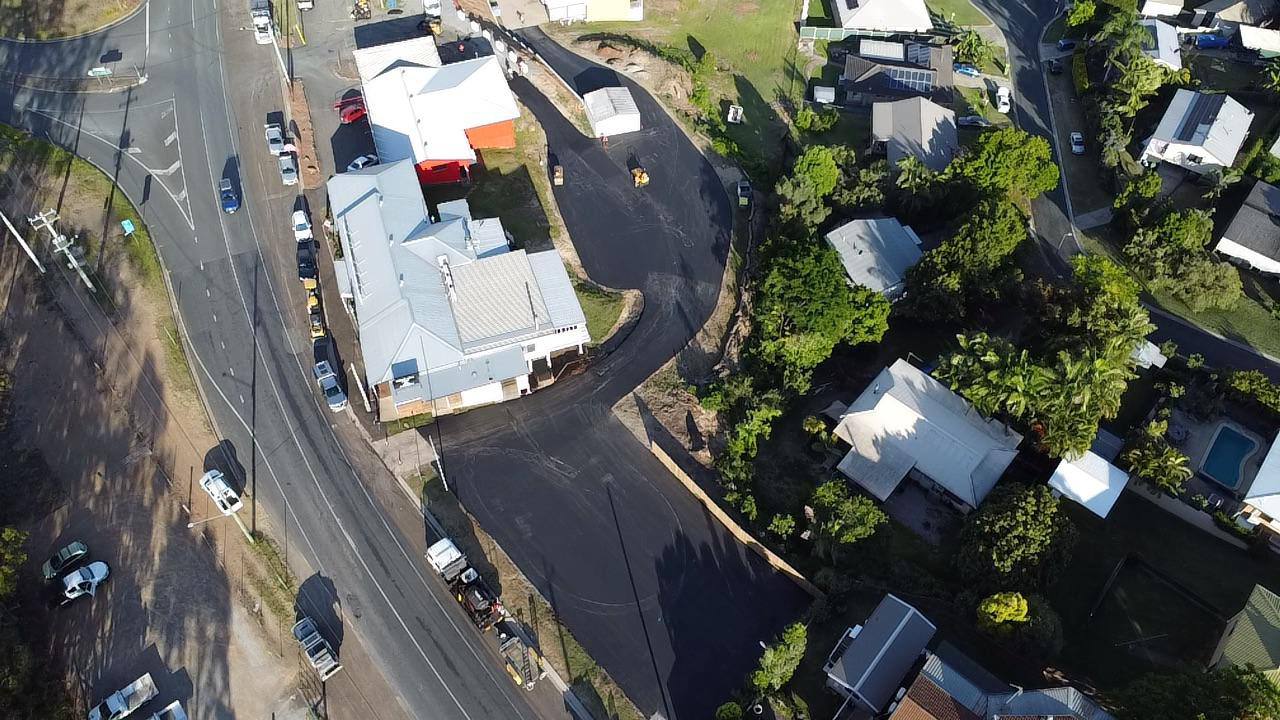
One of the most noticeable differences between a well-constructed asphalt surface and a deteriorating or poorly prepared pavement is how it feels under a vehicle. Quality asphalt should provide consistent support, predictable tyre contact and a relatively smooth journey without excessive bumps, depressions or loose material.
That smoothness is not achieved by the asphalt layer alone. It is the result of careful preparation, appropriate pavement materials, effective compaction, accurate grading and professional installation working together. For property owners and businesses in Casino, QLD, understanding what creates a stable asphalt surface can help explain why workmanship below the visible pavement is just as important as the finished appearance.
Smooth Asphalt Starts Below the Surface
The finished asphalt is only the upper part of a complete pavement structure.
Beneath it is a prepared foundation that needs to provide consistent support across the entire area. If the base contains soft spots, uneven sections or inadequately compacted material, the asphalt above can eventually reflect those weaknesses.
A quality installation begins by creating a stable platform before asphalt is laid. This allows the finished pavement to maintain more consistent levels rather than gradually developing dips and irregularities.
Correct Grading Creates an Even Profile
Grading establishes the shape and levels of the pavement.
The objective is not necessarily to create a perfectly flat area. Asphalt surfaces usually require carefully controlled falls so that rainwater can drain away rather than collecting in low points.
Accurate grading helps eliminate unnecessary high and low sections while establishing a consistent profile for the asphalt.
When vehicle tyres travel over a correctly graded pavement, there are fewer abrupt changes in level, contributing to the smoother driving experience associated with professionally constructed asphalt.
Compaction Provides Stability
Compaction is one of the most important parts of pavement construction.
The materials beneath the asphalt need to be compacted so they form a dense, stable foundation. If sections remain loose, they can continue compressing after the road or driveway begins receiving traffic.
This can result in:
- Localised sinking
- Wheel-path depressions
- Uneven pavement
- Surface cracking
- Water pooling
- Premature pothole development
Correct compaction reduces unnecessary movement and provides more uniform support beneath the asphalt.
Asphalt Itself Also Requires Proper Compaction
Compaction does not stop once the foundation has been prepared.
Freshly laid asphalt also needs to be compacted appropriately. Rolling helps consolidate the asphalt mixture and establish the dense, consistent surface required for dependable performance.
Inconsistent compaction can leave areas behaving differently under traffic. Proper installation creates a more uniform pavement, helping the finished surface feel solid rather than loose or irregular.
Consistent Pavement Thickness Matters
A quality asphalt surface should be constructed to an appropriate and reasonably consistent thickness for its intended use.
If pavement thickness varies unnecessarily because the underlying levels have not been properly prepared, some sections may respond differently under vehicle loading.
Professional preparation helps create the correct profile before asphalt is placed, allowing the wearing surface to be installed more consistently.
This is one reason experienced contractors do not rely on asphalt itself to compensate for major irregularities in the foundation.
A Stable Base Helps Distribute Vehicle Loads
Every vehicle places loads on the pavement through relatively small tyre contact areas.
A properly constructed pavement distributes these forces through its layers and into the supporting ground. When the foundation is stable, the surface is less likely to move excessively as vehicles pass over it.
This creates the firm feeling drivers associate with a well-built asphalt road, driveway or hardstand.
If the base is weak, vehicle loads can instead contribute to deformation, settlement and cracking.
Good Asphalt Provides Consistent Tyre Contact
Surface consistency plays an important role in how asphalt feels to drive on.
Potholes, loose sections, rutting and abrupt changes in level cause tyres to move vertically and laterally as vehicles travel across the pavement. A well-constructed asphalt surface reduces these irregularities.
Consistent tyre contact contributes to smoother vehicle movement and makes steering, braking and manoeuvring more predictable.
For driveways and vehicle areas in Casino, this can make a noticeable difference to everyday access.
Drainage Helps the Surface Remain Stable
A pavement can be constructed correctly and still deteriorate if water is not managed effectively.
Standing water can enter cracks or vulnerable pavement edges. Once moisture reaches the supporting layers, some materials can lose strength, allowing movement under traffic.
Over time, this can create depressions, cracking and potholes that make the pavement increasingly rough.
Correct grading and drainage therefore contribute indirectly to smoothness by helping the supporting pavement remain stable.
Quality Materials Need Quality Installation
The performance of asphalt depends on both the materials being used and how they are installed.
Even suitable asphalt cannot compensate indefinitely for an unstable base, poor drainage or inadequate preparation. Similarly, good groundwork needs to be followed by appropriate asphalt placement and compaction.
Professional surfacing treats these stages as parts of the same pavement system.
This complete approach is what helps produce a surface that not only looks consistent when newly installed but continues providing stable vehicle access as it is used.
Why Older Asphalt Can Start Feeling Rough
Asphalt naturally changes over time as it experiences traffic and environmental exposure.
Small cracks can develop, aggregate can become more exposed and localised sections may begin to settle. If moisture enters the pavement, deterioration can accelerate.
A surface that once felt smooth may gradually develop:
- Rough sections
- Cracks
- Depressions
- Rutting
- Loose material
- Potholes
- Uneven repaired areas
These changes are useful signs that the pavement should be inspected rather than waiting until vehicle access becomes significantly affected.
Repairs Can Help Restore Surface Consistency
Not every rough or uneven asphalt surface requires complete replacement.
Where deterioration is confined to particular areas, localised repairs may restore failed sections while retaining pavement that remains sound. Potholes, damaged edges and isolated depressions can often be addressed individually after their underlying causes have been assessed.
Where surface wear is more widespread but the pavement underneath remains stable, resurfacing may be appropriate.
The correct approach depends on whether the problem is primarily within the wearing surface or extends into the pavement structure.
Why Professional Assessment Is Valuable
The smoothness of an asphalt surface provides useful information, but appearance and driving feel alone cannot reveal everything happening underneath.
An experienced contractor can examine pavement levels, cracking, drainage, deformation and base stability before recommending repairs or resurfacing.
This is particularly valuable when unevenness keeps returning after previous work, as recurring defects can indicate movement below the asphalt.
For property owners in Casino, identifying the cause allows work to focus on restoring pavement performance rather than simply disguising the visible symptoms.
Long-Term Smoothness Depends on Maintenance
Even high-quality asphalt benefits from routine inspection and timely maintenance.
Small cracks should be monitored and addressed where necessary, drainage paths should remain clear, and localised deterioration should be investigated before it spreads.
Maintaining the pavement helps protect the stable foundation that gives quality asphalt its smooth and solid feel.
Early attention can also prevent isolated defects from developing into larger areas of uneven pavement.
Conclusion
A quality asphalt surface feels smoother and more stable because the entire pavement has been constructed to work as one system. Correct grading establishes consistent levels, proper compaction provides firm support, appropriate asphalt installation creates a uniform wearing surface, and effective drainage helps protect the pavement underneath.
The finished asphalt is important, but much of its performance comes from preparation that cannot be seen once construction is complete.
For asphalt driveways, roads, hardstands and vehicle areas in Casino, QLD, Casino Surfacing Solutions provides professional asphalt and bitumen surfacing and resurfacing services with careful attention to preparation and long-term pavement performance. If your existing asphalt has become rough, uneven or unstable, contact our team to arrange an assessment and discuss an appropriate approach for restoring the surface.
Call us on: 07 3113 9392
Click here to find out more about Casino Surfacing Solutions
Click here to complete our contact form and see how we can help with your driveway needs.